Ceramic: A Unique Decorative Font for Handmade Product Design
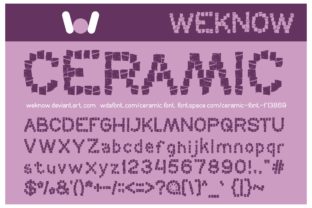
I was sitting at my desk late last night, surrounded by half-cut vinyl sheets and a stack of unsold candle labels, when I realized my branding felt flat. The product itself was beautiful—hand-poured soy wax with a hint of lavender—but the typography on the jar just wasn’t communicating the quality I wanted to project. I needed something that felt tactile, warm, yet distinctly modern. That’s when I pulled up Ceramic, a unique decorative font that promised to bring a playful conceptual energy to any design. Within minutes of dragging it into my mockup software, the entire vibe of my shop shifted. It wasn’t just text anymore; it was part of the product experience.
If you are a crafter, handmade seller, or printable creator looking to elevate your visual identity, understanding how display fonts function in real-world applications is crucial. Ceramic is not just another typeface; it is a tool for storytelling. This playfully conceptual display typeface font will look truly outstanding in a wide range of contexts, from delicate wedding stationery to bold boutique packaging. In this guide, I will walk you through how I integrated this creative font into my workflow, why it works so well for commercial craft projects, and how you can use it to boost customer engagement and perceived value.
Ceramic for Candle Labels and Boutique Packaging Design
When designing physical products like candles, soaps, or bath bombs, the label is often the first thing a customer touches before they even smell the scent. Using Ceramic for these small-scale applications requires a balance of charm and legibility. Because this is a display font, it commands attention. I used the primary weight of the font for the product name on my new lavender jars, letting the rounded, organic curves of the letters mimic the smooth texture of the ceramic vessels they sit upon. The result was a cohesive aesthetic that felt intentional and high-end.
The versatility of Ceramic allows it to adapt to various packaging materials. Whether you are printing on kraft paper tags, glossy sticker sheets, or matte cardstock, the font maintains its integrity. For smaller items like soap bars, I found that using the font for short phrases or single-word titles worked best. Trying to force long paragraphs of descriptive text into a decorative display typeface can compromise readability, especially when the print size is reduced. Instead, reserve Ceramic for the brand name or key selling points, such as "Handmade" or "Organic," and pair it with a clean sans serif font for the ingredients list. This combination creates a professional hierarchy that guides the eye naturally across the package.
Ceramic in Wedding Invitations and Elegant Stationery
One of the most surprising uses I discovered for Ceramic was in digital invitation templates. While many designers gravitate toward traditional scripts for weddings, there is a growing trend toward modern, quirky elegance. Ceramic fits perfectly into this niche. Its playful conceptual nature adds a touch of whimsy without sacrificing sophistication. I created a sample wedding welcome board design where the main heading featured the couple's names in Ceramic. The soft, slightly irregular edges of the letters gave the design a handcrafted feel, which resonated deeply with couples who value artisanal details over mass-produced perfection.
For stationery designers, the ability to use Ceramic in both digital downloads and printed goods is a significant advantage. When selling printable wall art or greeting cards, buyers appreciate fonts that offer character. You can use the font for the central message on a birthday card or a holiday tag, creating an emotional connection through distinctive typography. However, always consider the medium. If you are designing for large-format prints like welcome boards or banner flags, the bold presence of Ceramic shines. For smaller cards, ensure you leave ample white space around the letters so the decorative elements do not feel cramped. Testing your designs at actual print size in your software is essential to verify that the nuances of the font remain visible and appealing.
Ceramic for Printable Wall Art and Digital Downloads
As a creator of digital assets, I know that the competition in the printable market is fierce. To stand out, your designs need immediate visual impact. Ceramic offers exactly that. I recently expanded my shop’s collection of nursery decor and motivational quotes by incorporating this font. The playful conceptual style of Ceramic makes it ideal for children’s rooms, baby showers, or lighthearted home office signs. When customers browse listings on platforms like Etsy or Creative Market, the thumbnail image is everything. A design featuring Ceramic stands out against more generic serif or sans serif options because it feels curated and unique.
When preparing your files for sale, remember that Ceramic is primarily a display font. This means it is best suited for short phrases, names, titles, and decorative wording rather than body text. For digital downloads, provide clear instructions on how to install the font if you are selling editable templates. Highlighting the font’s commercial license in your product description is also vital, as many buyers are looking for risk-free assets to use in their own businesses. By positioning Ceramic as a premium font that elevates simple quotes into statement pieces, you increase the perceived value of your digital products. Encourage buyers to experiment with color palettes that complement the font’s organic shapes, suggesting earth tones for a farmhouse look or pastels for a softer aesthetic.
Ceramic for Cricut Projects and Cut Files
For users of cutting machines like Cricut or Silhouette, choosing the right font can make the difference between a messy cut and a crisp, professional finish. Ceramic has enough structural definition to cut cleanly on materials like vinyl, iron-on transfers, and cardstock, provided the design is prepared correctly. I tested the font on a tote bag design, converting the text to outlines to ensure the shapes remained consistent regardless of the user’s system fonts. The result was a stylish, trendy bag that looked like it came from a boutique brand.
When creating SVG-style designs or stencils using Ceramic, pay close attention to the spacing (kerning) between letters. Display fonts often have wider spacing to accommodate their decorative features. If you are making stickers or small decals, ensure that the internal bridges of letters like 'A' or 'R' are thick enough to survive the weeding process. Additionally, consider pairing Ceramic with simpler geometric shapes or lines in your cut files to balance the visual weight. This approach ensures that the font remains the focal point while the overall design feels grounded and balanced. Always check the included styles, alternates, and ligatures in your font file to see if adding swashes or special characters enhances your specific project needs.
Ceramic for Social Media Graphics and Brand Identity
In today’s digital-first marketplace, your social media graphics are just as important as your physical products. Consistent branding helps customers recognize your work instantly. Ceramic serves as an excellent anchor for a brand identity that wants to appear friendly, approachable, and creatively driven. I started using the font in my Instagram story highlights and post headers, pairing it with a minimalist layout. The contrast between the bold, playful Ceramic text and the clean background created a striking visual rhythm that stopped scrollers in their tracks.
Using Ceramic across multiple platforms—from listing images to email newsletters—builds trust and professionalism. It signals to your audience that you care about the details. When designing web design elements or editorial content for your blog, you can use the font for pull quotes or section headers to break up text and add personality. Just remember to maintain consistency in how you apply the font. Use it for headlines and keep body text in a highly readable typeface. This strategic application of Ceramic as a display font ensures that your brand voice is clear, engaging, and memorable, ultimately driving more traffic and sales to your handmade business.